
Ryokan in Malaysia takes center stage as an intriguing blend of traditional Japanese hospitality and local charm. These unique accommodations offer a glimpse into the cultural significance of ryokans, which have their roots in Japan but have evolved to reflect the diverse Malaysian landscape. With a history steeped in warmth and elegance, ryokans provide guests with an immersive experience that goes beyond mere lodging.
As you step into a ryokan in Malaysia, you can expect to find not only a place to stay but also an opportunity to engage with rich traditions and modern comforts. From picturesque interiors and serene atmospheres to exquisite culinary experiences, these establishments promise an unforgettable getaway that celebrates both cultures.
Overview of Ryokan
A ryokan is a traditional Japanese inn that embodies the essence of Japanese hospitality, culture, and aesthetics. It offers a unique experience that goes beyond mere accommodation, serving as a place where guests can immerse themselves in the beauty of Japanese customs, cuisine, and tranquility. The significance of ryokans extends beyond their functionality as lodging; they are cultural landmarks that reflect the historical evolution of Japanese society and its values.Ryokans have their origins in the Edo period (1603-1868), primarily serving travelers along Japan’s ancient roads.
Initially, they were simple lodges for pilgrims and merchants, but over time, they evolved into establishments that emphasized comfort and hospitality. This transformation was influenced by the growing appreciation of nature and the arts during the Meiji period (1868-1912). The concept of ryokan has transcended borders, inspiring similar accommodations in various countries, including Malaysia. Here, variations of the ryokan have emerged, often incorporating local elements while maintaining the core principles of hospitality and attention to detail.
Key Features of Ryokan
Ryokans are distinguished by several key features that set them apart from other types of accommodation. Understanding these characteristics is crucial to appreciating the unique experience they offer. Below are the primary features that define a ryokan:
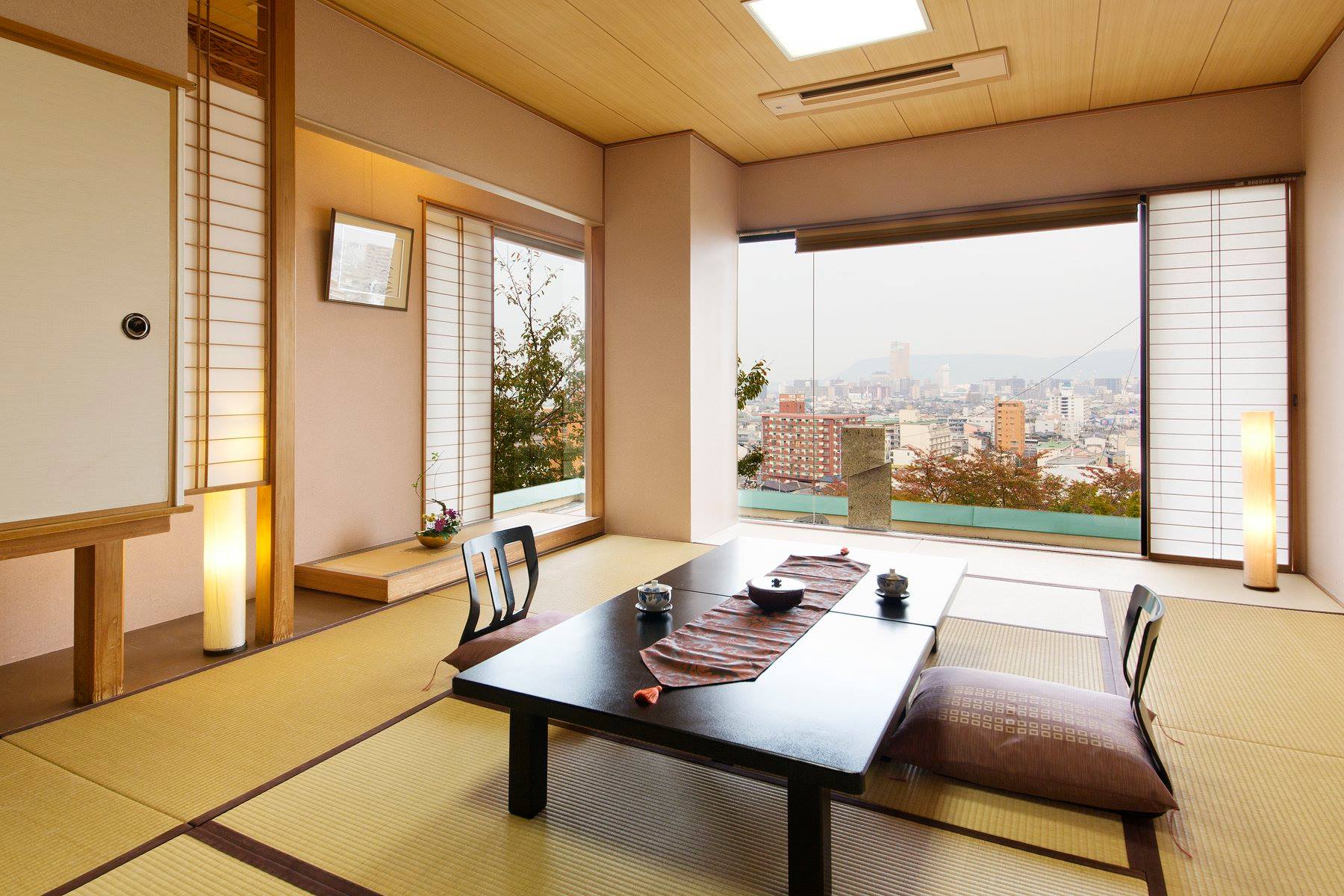
- Tatami Flooring: Guests are welcomed into rooms adorned with tatami mats, which are made of rice straw and covered with woven rush grass. This traditional flooring adds warmth and a sense of tranquility to the space.
- Kaiseki Cuisine: Dining at a ryokan often revolves around kaiseki, a multi-course meal that highlights seasonal ingredients and meticulous presentation, offering guests a true taste of Japanese culinary artistry.
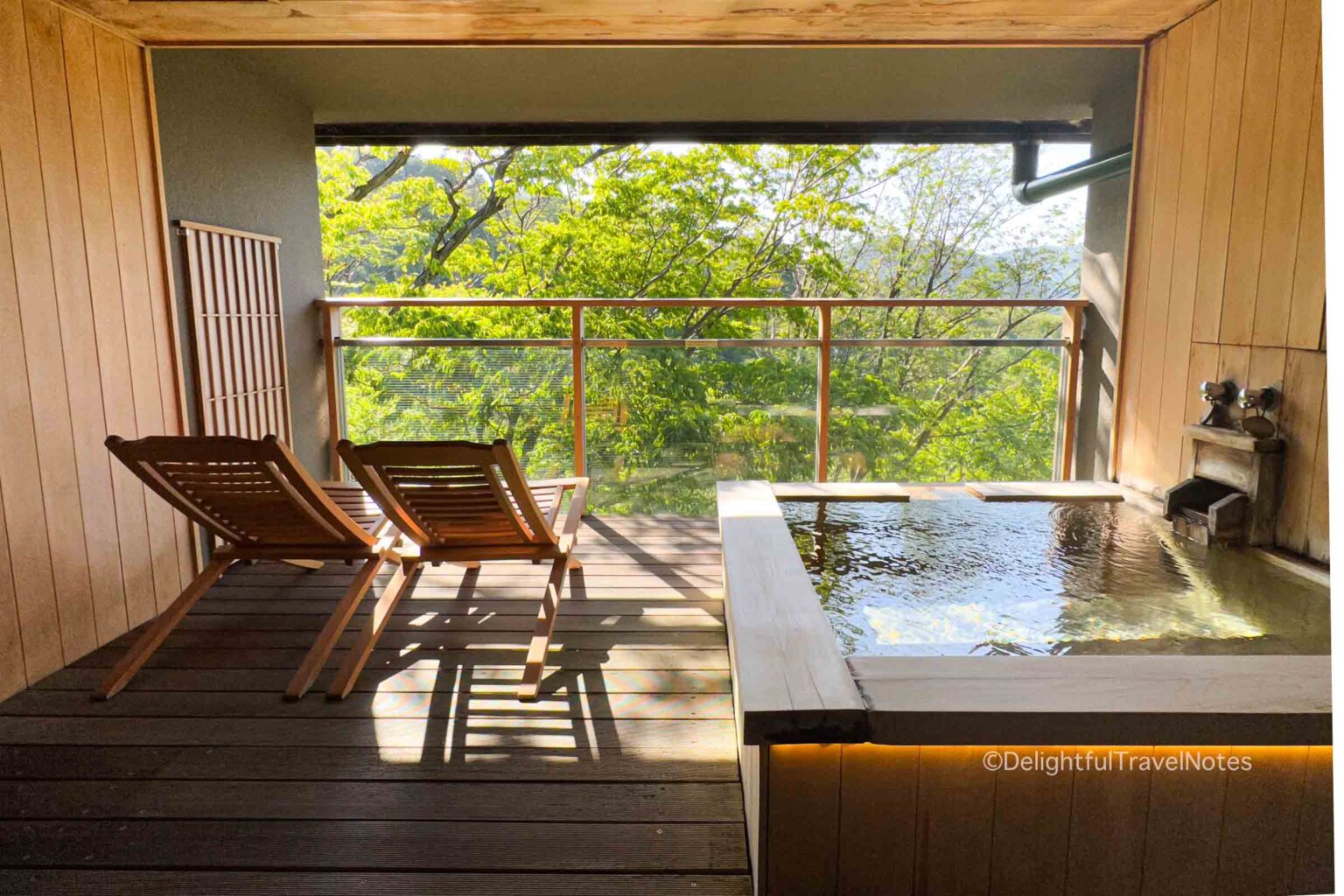
- Onsen Bathing: Many ryokans feature onsen (hot springs) facilities, allowing guests to bathe in natural mineral waters, which are believed to have therapeutic properties and contribute to relaxation.
- Japanese Hospitality (Omotenashi): The concept of omotenashi, or selfless hospitality, is at the heart of the ryokan experience, with staff dedicated to anticipating and fulfilling guest needs.
- Minimalist Aesthetics: The design and decor of ryokans emphasize simplicity and natural beauty, often utilizing wood and paper elements, creating a serene atmosphere that fosters relaxation and reflection.
- Traditional Tatami Rooms: The sleeping arrangements typically involve futons laid out on tatami floors, providing a unique sleeping experience that is both comfortable and culturally authentic.
“Ryokans are not merely places to stay; they are gateways to experiencing the rich tapestry of Japanese culture and hospitality.”
The combination of these features creates a holistic experience that immerses guests in the beauty of Japanese culture while providing a respite from the fast-paced modern world.
Ryokan in Malaysia

Ryokans are traditional Japanese inns that offer an immersive experience of Japanese culture and hospitality. In Malaysia, the concept of ryokan has been uniquely adapted to reflect local customs and traditions, providing a distinct blend of Japanese tranquility and Malaysian warmth. These accommodations are designed to offer guests a serene retreat, showcasing the beauty of Malaysia’s natural landscapes while embracing the essence of ryokan-style living.The adaptation of ryokan in Malaysia emphasizes the importance of hospitality, comfort, and an authentic cultural experience.
Many ryokan-style accommodations incorporate local architecture and design elements, creating a harmonious atmosphere that resonates with the surrounding environment. Additionally, the culinary offerings often feature a fusion of Japanese and Malaysian cuisines, allowing guests to indulge in a diverse range of flavors while enjoying traditional ryokan practices such as communal dining.
Notable Examples of Ryokan-Style Accommodations in Malaysia
Malaysia boasts a variety of accommodations that embody the ryokan spirit. These establishments offer unique experiences that cater to different preferences and tastes. Here are some notable examples:
- YTL’s Majestic Hotel Kuala Lumpur
-This luxurious hotel draws inspiration from traditional ryokan aesthetics, featuring elegant wooden interiors and beautifully landscaped gardens, creating a tranquil ambiance in the heart of the city. - The Dusun
-Located in Negeri Sembilan, this eco-friendly retreat offers wooden chalets that provide stunning views of nature, allowing guests to disconnect and unwind in a peaceful environment. - Gaya Island Resort
-Situated off the coast of Borneo, this resort combines Malaysian hospitality with Japanese architectural influences, offering private villas that promote relaxation amidst lush tropical surroundings. - Serai Boutique Hotel
-Located in the picturesque hills of Cameron Highlands, this boutique hotel features traditional design elements reminiscent of ryokan, along with a focus on sustainable tourism.
Each of these accommodations is characterized by their thoughtful design, attention to detail, and commitment to providing an exceptional guest experience.
Unique Offerings of Malaysian Ryokans
Malaysian ryokans differentiate themselves from their Japanese counterparts through distinct offerings that reflect local culture and hospitality. The following aspects set them apart:
- Local Culinary Experience
-While traditional ryokans offer kaiseki (multi-course Japanese meal), Malaysian ryokans often provide a fusion of local dishes such as Nasi Lemak and Satay alongside Japanese favorites, creating a gastronomic adventure. - Cultural Activities
-Many ryokan-style accommodations organize cultural workshops, such as batik painting or traditional cooking classes, allowing guests to immerse themselves in Malaysian traditions. - Environmentally Conscious Practices
-A focus on sustainability is evident in many Malaysian ryokans, with eco-friendly initiatives such as organic gardens and solar energy usage, promoting responsible tourism. - Scenic Locations
-Malaysian ryokans are often situated in areas of outstanding natural beauty, providing opportunities for outdoor activities such as hiking and wildlife spotting, which enhance the overall experience.
“Embracing both Japanese tranquility and Malaysian hospitality, these ryokans create a unique haven for travelers seeking rest and cultural enrichment.”
Cultural Aspects of Staying in a Ryokan
Staying in a ryokan is not merely about accommodation; it is an immersive experience that offers a glimpse into Japan’s rich cultural heritage. From traditional meals to unique bathing practices, the customs and traditions observed in a ryokan create an atmosphere that is both serene and enriching. Visitors should be prepared to engage in these practices to fully appreciate the ryokan experience.Central to the ryokan experience are traditional practices such as onsen baths and kaiseki meals.
Onsen, or hot spring baths, are typically a communal affair, offering guests a chance to unwind and relax in mineral-rich waters believed to have healing properties. Each ryokan provides a unique setting, from indoor baths with elegant wooden decor to outdoor baths with stunning natural views. Kaiseki, the multi-course dining experience, showcases the finest seasonal ingredients prepared with meticulous attention to detail.
This artful meal not only delights the palate but also reflects the harmony of taste and presentation that is essential in Japanese culture.
Etiquette for Guests at a Ryokan
Understanding and respecting the etiquette associated with staying at a ryokan enhances the overall experience. There are several key practices that guests should follow:
Respecting local customs is a core aspect of the ryokan experience.
Firstly, upon entering the ryokan, guests should remove their shoes and don the provided slippers. This act symbolizes cleanliness and respect for the sacred space of the ryokan. When using the onsen, it is important to wash and rinse your body thoroughly before entering the communal bath. Bathing etiquette also includes refraining from splashing water and keeping conversations to a minimum to maintain a peaceful environment.When dining, guests should appreciate the kaiseki meal’s presentation and flavors.
It is customary to wait until everyone is served before starting to eat, and expressing gratitude with phrases like “Itadakimasu” before meals and “Gochisousama deshita” after finishing is a sign of respect towards the chef and the ingredients.
Cultural Experiences at a Ryokan in Malaysia
Visitors to a ryokan in Malaysia can expect an array of cultural experiences that pay homage to Japanese traditions while being infused with local Malaysian elements. These experiences not only provide relaxation but also an educational insight into Japanese customs.An example of cultural experiences at a ryokan includes:
- Participating in a traditional tea ceremony, where guests learn the art of tea preparation and the significance of each step involved.
- Enjoying a guided tour of the on-site gardens that showcase Japanese landscaping techniques, allowing guests to appreciate the harmony between nature and design.
- Engaging in calligraphy or origami workshops, providing hands-on experiences with traditional Japanese art forms.
- Attending cultural performances, such as Taiko drumming or traditional dance, which highlight Japan’s vibrant artistic heritage.
- Experiencing a kimono fitting session, where guests can try on traditional Japanese attire and learn about the history and significance behind the garments.
These experiences make staying at a ryokan in Malaysia a unique blend of relaxation and cultural enrichment, allowing visitors to appreciate the depth of Japanese culture in a serene setting.
Culinary Experience at Malaysian Ryokans
Staying at a ryokan in Malaysia offers guests not only a glimpse into traditional Japanese hospitality but also a unique culinary experience that marries local flavors with ryokan dining customs. From meticulously prepared meals to the serene ambiance of dining areas, the culinary aspect is an integral part of the ryokan experience. The dining options at Malaysian ryokans are diverse, reflecting the rich tapestry of Malaysian cuisine.
Guests can expect to enjoy meals that emphasize fresh, locally-sourced ingredients, often served in a multi-course format that showcases the art of culinary presentation found in traditional ryokans. Meals are typically served in private dining areas or on tatami mats, enhancing the cultural immersion.
Fusion of Traditional Malaysian Cuisine with Ryokan Dining Customs
The fusion of Malaysian cuisine with ryokan traditions creates a distinctive dining experience. Ryokans often incorporate elements of Malaysian culinary practices, such as the use of spices and herbs, into their menus. This blend results in dishes that are both familiar and innovative, offering guests a taste of local culture while adhering to the meticulous presentation and etiquette of ryokan dining.For example, the use of traditional Japanese serving styles, such as kaiseki, allows for a multi-course meal that is not only visually appealing but also highlights the freshness of seasonal produce.
In contrast, the incorporation of local flavors, such as sambal or rendang, adds a spicy kick that is characteristic of Malaysian cuisine.
Signature Dishes to Try While Staying at a Ryokan
Guests are encouraged to sample signature dishes that reflect this culinary fusion during their stay. Here are some must-try items that showcase the unique offerings of Malaysian ryokans:
- Nasi Lemak Ryokan Style: A classic Malaysian dish featuring fragrant rice cooked in coconut milk, served with sambal, fried anchovies, peanuts, and boiled eggs, presented elegantly in a multi-layered arrangement.
- Rendang Beef: A slow-cooked, tender beef dish infused with a rich blend of spices, reflecting the depth of Malaysian flavors while being served with Japanese rice.
- Sushi with Local Seafood: A creative twist on traditional sushi, using fresh catches from Malaysian waters, such as prawns and squid, combined with local herbs for enhanced flavor.
- Teh Tarik Dessert: A traditional Malaysian pulled tea transformed into a dessert, served as a creamy mousse, echoing the ryokan’s attention to detail and presentation.
These dishes not only provide a feast for the taste buds but also create a memorable dining experience that marries Japan’s culinary artistry with Malaysia’s vibrant flavors and ingredients.
Activities and Attractions Nearby
Staying at a ryokan in Malaysia offers much more than a serene environment and comforting hospitality. Travelers can immerse themselves in a myriad of activities and attractions nearby that enhance their overall experience. From nature excursions to cultural hotspots, the options are abundant and enriching.Ryokan accommodations are often strategically located near enchanting landscapes, vibrant markets, and historical sites. Engaging in local activities not only adds value to your stay but also provides an opportunity to connect with Malaysia’s diverse heritage and natural beauty.
Here’s a glimpse of some popular activities and attractions available near ryokans in Malaysia.
Popular Activities and Attractions
Exploring the vicinity of your ryokan can lead to unforgettable adventures. Here are some noteworthy attractions and activities you may want to consider during your stay:
- Cameron Highlands: Known for its rolling hills and tea plantations, this area offers scenic hikes and refreshing temperatures. Visitors can partake in tea tasting tours and explore the lush landscapes.
- Langkawi Sky Bridge: This stunning curved pedestrian bridge offers breathtaking views of the surrounding islands and seas. It’s a perfect spot for photography enthusiasts and nature lovers alike.
- Petronas Twin Towers: Located in Kuala Lumpur, this iconic landmark is a must-visit for anyone looking to experience Malaysia’s modern architecture. Don’t forget to explore the nearby KLCC Park.
- Gunung Mulu National Park: A UNESCO World Heritage site, this park is famous for its limestone karst formations and extensive cave systems. Guided tours can lead you through breathtaking caves and jungle trails.
- Local Night Markets: Experience authentic Malaysian street food and local crafts at night markets like Jalan Alor in Kuala Lumpur or the Pasar Malam in Penang. Engaging with locals and tasting regional delicacies is a highlight of any trip.
Recommended Excursions and Tours
Enhance your ryokan experience by participating in excursions that bring out the best of Malaysia’s cultural and natural offerings. Below are some excursions worth considering:
- Traditional Village Tours: Visiting nearby villages allows travelers to engage with local customs and traditions. Interacting with residents offers insights into Malaysian culture and lifestyle.
- Wildlife Safaris: Explore Malaysia’s rich biodiversity with guided wildlife tours in national parks like Borneo’s Danum Valley or Taman Negara. Spotting exotic wildlife can be an exhilarating experience.
- Cooking Classes: Immerse yourself in Malaysian cuisine by joining a cooking class where you can learn to prepare traditional dishes with local chefs. This hands-on experience adds a delicious touch to your stay.
Wellness Activities at Ryokans
Many ryokans in Malaysia offer wellness activities that focus on rejuvenation and relaxation. Incorporating these activities into your stay can significantly enhance your well-being. Here are some popular options available:
- Yoga Sessions: Initiating your day with a gentle yoga session amidst serene surroundings can improve your mental clarity and physical health.
- Meditation Classes: Engage in guided meditation sessions that help in achieving inner peace and mindfulness, often provided in tranquil settings.
- Spa Treatments: Most ryokans feature on-site spas offering traditional treatments, such as massages and herbal baths, aimed at relaxation and rejuvenation.
Booking and Planning Your Stay
When planning a stay at a ryokan in Malaysia, careful preparation ensures a memorable experience filled with comfort and cultural immersion. From selecting the right ryokan to packing your bags, understanding the nuances of this unique accommodation type can significantly enhance your visit. This section covers everything you need to know about booking and preparing for your ryokan adventure, making it easier to relax and enjoy your stay.
Steps to Book a Ryokan in Malaysia
Booking a ryokan involves a few straightforward steps that can be managed online or through local travel agencies. The first step is to research various ryokans, focusing on their location, amenities, and style. Once you’ve narrowed down your options, consider the following:
- Check Availability: Visit the ryokan’s website or contact them directly to confirm availability for your desired dates.
- Compare Prices: Look at different booking platforms to find the best rates, and check for any exclusive deals or packages.
- Read Reviews: Look for guest reviews on reputable travel sites to understand the experience from others’ perspectives.
- Make Reservations: Once satisfied, proceed with the booking, ensuring to keep a record of your confirmation for check-in.
Checklist for Your Ryokan Stay
Preparing for your stay in a ryokan involves packing items that enhance your comfort and respect the cultural aspects of the experience. Below is a checklist of essentials to consider:
- Comfortable Clothing: Pack lightweight and breathable clothing suitable for the local climate.
- Traditional Attire: Bring a yukata, which is often provided, but having your own can enhance the experience.
- Toiletries: While ryokans usually supply basic toiletries, bringing preferred items can ensure personal comfort.
- Camera: A good camera or smartphone is essential for capturing beautiful moments and scenic views.
- Travel Guide: Having a guidebook or app can assist in navigating the local area and attractions.
Best Times to Visit Ryokans in Malaysia
The timing of your visit can greatly influence your ryokan experience in Malaysia. The ideal seasons typically offer favorable weather and unique local events. Here are some insights on the best times to visit:
- Spring (March to May): This season is characterized by blooming flora, making it an excellent time for outdoor activities and sightseeing.
- Autumn (September to November): The cooler weather and vibrant foliage provide a picturesque backdrop, perfect for relaxation.
- Festive Periods: Visiting during local festivals, such as Chinese New Year or Hari Raya, can provide a rich cultural experience, with various traditional activities and cuisine.
Personal Testimonials and Experiences: Ryokan In Malaysia
Visitors to Malaysian ryokans often leave with cherished memories and unique experiences that highlight the rich cultural heritage and serene atmosphere these accommodations offer. Recapping their journeys, many travelers express how their stays were not just about relaxation but also about immersing themselves in local traditions and customs, making for unforgettable experiences.The impressions shared by guests provide valuable insights into the ryokan experience in Malaysia.
Many travelers emphasize the warmth of the hospitality they received, which often included personalized service and attention to detail. Guests frequently mention how they felt welcomed like family, a characteristic that differentiates ryokans from conventional hotels.
Traveler Stories
Guests at Malaysian ryokans have shared numerous heartwarming stories that reflect the allure of these traditional inns. One traveler recounted a serene evening spent soaking in an onsen-style bath surrounded by lush greenery, noting the tranquility that enveloped the atmosphere. Another guest shared memories of participating in a tea ceremony, which not only introduced them to the art of tea preparation but also fostered connections with other guests and staff.
Tips and Advice from Previous Guests
Travelers who have enjoyed their stays at ryokans are often eager to share tips for making the most of the experience. Here are some key pieces of advice gathered from previous guests:
- Book early: Popular ryokans can fill up quickly, especially during peak seasons. Planning ahead ensures you secure your desired accommodation.
- Embrace the local customs: Engaging with the staff and participating in cultural activities enhances your experience and helps you feel more connected to the local heritage.
- Be open to trying new foods: The culinary offerings at ryokans are often unique and crafted with care. Don’t hesitate to try the traditional meals served at your accommodation.
- Pack light: Ryokans typically provide yukata (traditional robes) for guests, allowing for a comfortable and authentic stay without the need for extensive packing.
- Ask for recommendations: The staff at ryokans are usually well-informed about nearby attractions and can provide insider tips on the best local experiences.
Common Misconceptions, Ryokan in malaysia
Despite the enriching experiences that ryokans offer, some misconceptions persist among potential guests. Understanding these can help set realistic expectations for your stay:
- Ryokans are only for luxury travelers: While some ryokans offer high-end amenities, there are plenty of affordable options that still provide authentic experiences.
- You must follow strict rules: While there are customs to observe, most ryokans encourage guests to relax and enjoy their stay without stress.
- All ryokans are the same: Each ryokan has its unique charm, influenced by its location, architecture, and the traditions of the area.
- Staying in a ryokan means sacrificing modern amenities: Many ryokans blend traditional design with modern conveniences, ensuring a comfortable stay.
- Reservations are unnecessary: Due to the growing popularity of ryokans in Malaysia, it’s wise to make reservations ahead of time to avoid disappointment.
Frequently Asked Questions
What is a ryokan?
A ryokan is a traditional Japanese inn that offers a unique lodging experience characterized by tatami-matted rooms, communal baths, and kaiseki dining.
How is a ryokan in Malaysia different from one in Japan?
While maintaining traditional elements, Malaysian ryokans often incorporate local cultural aspects, cuisines, and hospitality styles, creating a distinct experience.
What activities can I enjoy near a ryokan in Malaysia?
Guests can explore nearby attractions, partake in wellness activities like yoga, or enjoy local tours that showcase the region’s beauty and culture.
What should I pack for a stay at a ryokan?
It’s advisable to bring comfortable clothing, personal toiletries, and any specific items for wellness activities you may wish to participate in.
Are meals included in the ryokan experience?
Yes, most ryokans in Malaysia offer meal options, typically featuring a combination of traditional Japanese and local Malaysian cuisine.