
Hotels in Rome are more than just a place to rest; they embody the charm and history of this iconic city. With a vibrant mix of luxury, boutique, and budget-friendly options, visitors can find the perfect accommodation to suit their needs while exploring the rich culture and stunning architecture of Rome. Each area offers a unique experience, ensuring that every traveler’s journey is memorable.
From the lively streets of Trastevere to the grandeur of Vatican City, hotels in Rome cater to a variety of tastes and preferences. Whether you are seeking a lavish retreat or a cozy budget stay, the city boasts an impressive selection of hotels, making it an essential part of your Italian adventure.
Overview of Hotels in Rome
Rome, the Eternal City, is a top-tier tourist destination that attracts millions of travelers each year, drawn by its rich history, stunning architecture, and vibrant culture. The role of hotels in this experience cannot be overstated; they serve as a home base for exploring iconic landmarks like the Colosseum and St. Peter’s Basilica, while also offering a slice of Italian hospitality.
From luxury accommodations to budget-friendly options, the diverse hotel landscape in Rome caters to all types of visitors, enhancing the overall travel experience.The range of hotel options available in Rome is impressively varied, allowing travelers to choose accommodations that best fit their needs and budgets. Luxury hotels, often located in historic buildings or with stunning views, provide top-notch amenities and personalized service.
Boutique hotels add a unique charm with their distinctive designs and intimate atmospheres, often showcasing local art and culture. Budget hotels and hostels offer affordable stays without compromising on comfort, making the city accessible to a wider audience.
Types of Hotels in Rome
Travelers can expect a comprehensive selection of hotels in Rome, each offering unique features and pricing tiers. Here’s a breakdown of the main types of hotels available:
- Luxury Hotels: Renowned for their exquisite service and lavish accommodations, luxury hotels in Rome, such as Hotel de Russie and The St. Regis, provide an unforgettable experience with fine dining, spa services, and exceptional locations.
- Boutique Hotels: These smaller, stylish hotels like The Fifteen Keys Hotel and Hotel Artemide highlight local culture through their décor and personalized services, creating a unique and memorable stay.
- Mid-Range Hotels: Offering a balance of comfort and affordability, mid-range hotels such as Hotel Savoy and Eurostars Roma Aeterna cater to travelers looking for quality without breaking the bank.
- Budget Hotels and Hostels: Ideal for backpackers and budget-conscious travelers, options like The Beehive and Generator Rome provide basic amenities and a social atmosphere at a fraction of the cost.
The hotel occupancy rates in Rome reflect its popularity as a travel destination. According to recent statistics, the average hotel occupancy rate in Rome hovers around 75% annually, with peaks during the summer months when tourism is at its highest. Additionally, average nightly rates vary significantly depending on the season and type of accommodation; luxury hotels can exceed €400 per night, while budget options can be found for as low as €20-€50.
“Rome’s hotels not only provide a place to stay but also an opportunity to immerse oneself in the local culture and hospitality.”
Due to its historical significance and vibrant atmosphere, Rome continues to see a steady influx of tourists, reinforcing the importance of a diverse range of accommodations that cater to various preferences and budgets.
Popular Hotel Areas in Rome

Rome offers a variety of neighborhoods, each bringing its own unique charm and advantages for travelers. From vibrant atmospheres to historical sites, the options are plentiful. Understanding these popular hotel areas will help you choose the location that best suits your travel style and itinerary.Each neighborhood in Rome has its distinct characteristics that cater to different preferences. For example, Trastevere is known for its lively nightlife and authentic Roman vibe, while Vatican City offers proximity to some of the world’s most famous religious landmarks.
Central Rome serves as a hub for accessibility to major attractions. However, each area also has its drawbacks, such as varying noise levels and tourist congestion.
Trastevere
Trastevere is a picturesque neighborhood characterized by its narrow cobblestone streets and vibrant nightlife. Here, travelers can find an array of boutique hotels and charming guesthouses.Advantages:
- Rich local culture with numerous restaurants and bars.
- Stunning views from the Gianicolo Hill.
- A more authentic Roman experience away from tourist traps.
Disadvantages:
- Can be noisy at night due to bars and restaurants.
- Some hotels may be further from major attractions.
Vatican City
Staying in Vatican City offers an unparalleled opportunity to explore the heart of Catholicism. It is home to the Vatican Museums, St. Peter’s Basilica, and the Sistine Chapel.Advantages:
- Convenient access to iconic landmarks.
- Generally quieter atmosphere compared to other areas.
Disadvantages:
- Limited dining and entertainment options.
- Higher hotel prices due to proximity to attractions.
Central Rome
Central Rome encompasses areas like the Spanish Steps, Trevi Fountain, and Piazza Navona. This area is ideal for travelers who want to be in the thick of the action.Advantages:
- Close proximity to major attractions.
- Abundance of shopping, dining, and cultural experiences.
Disadvantages:
- Higher levels of tourist foot traffic.
- Hotels may be more expensive with limited availability.
| Neighborhood | Distance to Major Attractions | Typical Hotel Features | Average Price Range |
|---|---|---|---|
| Trastevere | 15-30 minutes from Vatican City and Central Rome | Charming, boutique hotels and guesthouses | €80 – €200 per night |
| Vatican City | Walking distance to St. Peter’s Basilica | Luxury options and quiet retreats | €150 – €500 per night |
| Central Rome | 5-15 minutes from major attractions (e.g., Colosseum, Trevi Fountain) | Variety of hotels from budget to luxury | €100 – €400 per night |
Staying in the right neighborhood can significantly enhance your overall experience in Rome, allowing you to immerse yourself in the local culture while maintaining convenience to must-see sights.
Features and Amenities of Hotels
Hotels in Rome are known for their diverse offerings, catering to various types of travelers. From budget accommodations to luxurious stays, these establishments provide a range of features and amenities to enhance the visitor experience. Guests can expect a mix of traditional Italian hospitality and modern conveniences, ensuring a comfortable stay while exploring the historic city.Common amenities found in hotels across Rome include free Wi-Fi, breakfast options, and recreational facilities.
Many hotels prioritize guest comfort by providing essential services that make daily routines easier, like in-room dining and concierge services. Additionally, unique features in boutique or historical hotels often create memorable experiences, allowing guests to enjoy the charm and stories behind these accommodations.
Common Amenities in Hotels
Understanding the standard amenities that hotels offer can help travelers make informed decisions. Here are several key amenities frequently found in hotels throughout Rome:
- Free Wi-Fi: Most hotels provide complimentary Wi-Fi access, allowing guests to stay connected during their travels.
- Breakfast Options: Many hotels offer breakfast included in the room rate, featuring traditional Italian cuisine or continental choices.
- Swimming Pools: While not common in all hotels, some luxury and boutique hotels feature stunning pools, perfect for relaxation after a day of sightseeing.
- Fitness Centers: On-site gyms are often available, catering to guests looking to maintain their fitness routines while traveling.
- Room Service: In-room dining enhances convenience, allowing guests to enjoy meals in the comfort of their rooms.
Unique Features in Boutique and Historical Hotels
Boutique and historical hotels in Rome often offer distinctive features that set them apart from standard accommodations. These unique elements may include:
- Architectural Charm: Many boutique hotels are housed in beautifully restored historical buildings, showcasing original architecture and design.
- Personalized Services: Boutique hotels typically provide a more personalized experience, with staff often going above and beyond to cater to individual guest needs.
- Themed Decor: Rooms in boutique hotels may reflect specific themes, art styles, or local culture, creating a more immersive atmosphere.
- Exclusive Access: Some historical hotels may offer private tours of their premises, giving guests a glimpse into their storied past.
- Local Partnerships: Boutique hotels often collaborate with local artists and businesses, providing guests with unique offerings like art classes or local culinary experiences.
Luxury Hotel Amenities vs. Budget Hotel Services, Hotels in Rome
When choosing a hotel, understanding the difference in amenities between luxury and budget options is crucial. Here’s a breakdown of what guests might typically find:
- Luxury Hotel Amenities:
- 24-hour concierge and butler service
- Fine dining restaurants on-site
- Spa and wellness centers with a range of treatments
- Rooftop terraces with stunning city views
- Luxury bathroom amenities and plush linens
- Budget Hotel Services:
- Basic breakfast options or self-service kitchens
- Shared facilities like bathrooms and kitchens
- Limited on-site dining options
- Minimal additional services, focusing primarily on accommodation
- Less personalized customer service
“The blend of essential amenities and unique features creates an unforgettable experience, making Rome a top destination for any traveler.”
Booking Tips and Strategies
When planning a trip to Rome, finding the right accommodation can significantly enhance your experience. With numerous options available, navigating through hotel listings effectively is essential to secure the best deals. By implementing a few strategic tips, travelers can not only save money but also ensure a comfortable stay in the Eternal City.One of the most effective ways to find the best hotel deals in Rome is through the use of specific booking platforms.
Websites like Booking.com, Expedia, and Agoda often feature competitive prices and exclusive discounts. Moreover, using a flight and hotel bundling option can often yield additional savings. Be sure to check if the platform offers a loyalty program, as signing up could provide access to further deals and perks.
Reading Reviews and Comparing Options
Understanding the experiences of previous guests can provide valuable insight when choosing a hotel. Reviews on platforms like TripAdvisor and Google can highlight important aspects of a hotel, such as cleanliness, customer service, and location. Before finalizing a booking, it’s wise to compare different hotel options. Look for properties that meet your specific needs, whether that’s proximity to major attractions, public transport accessibility, or amenities such as free Wi-Fi and breakfast.
Consider these factors when reading reviews:
- Location: Guests often comment on how accessible the hotel is to popular tourist sites and public transport.
- Service Quality: Read about the staff’s responsiveness and willingness to help, which can greatly affect your stay.
- Cleanliness: Consistent remarks about hygiene can give you a clearer picture of what to expect.
- Value for Money: Assess if guests felt they received good service relative to the price paid.
Step-by-Step Guide for Planning a Hotel Stay in Rome
Planning a hotel stay in Rome can be an enjoyable experience if done systematically. Here is a step-by-step guide to streamline the process.
1. Determine Your Budget
Establish a realistic budget for accommodation that aligns with your overall travel expenses.
2. Select Travel Dates
Consider the time of year, as prices can fluctuate based on peak tourist seasons.
3. Identify Preferred Areas
Research neighborhoods that best fit your itinerary, focusing on safety, attractions, and local culture.
4. Use Booking Platforms
Utilize popular booking platforms to compare prices and check availability for your selected dates.
5. Read Reviews
Take time to review guest feedback focusing on the factors most important to you.
6. Set Alerts for Price Drops
Some booking sites allow you to set price alerts for specific hotels, helping you catch deals as they arise.
7. Confirm Booking Policies
Before making a reservation, ensure you understand the cancellation policy and any additional charges.
8. Finalize Your Booking
Once you find the right hotel, proceed to book and get confirmation to secure your stay.Incorporating these strategies will not only help in securing the best hotel deals but also enhance your overall travel experience in Rome. With thoughtful planning and a keen eye for details, travelers can look forward to a comfortable stay while exploring the rich history and culture of this beautiful city.
Cultural Considerations
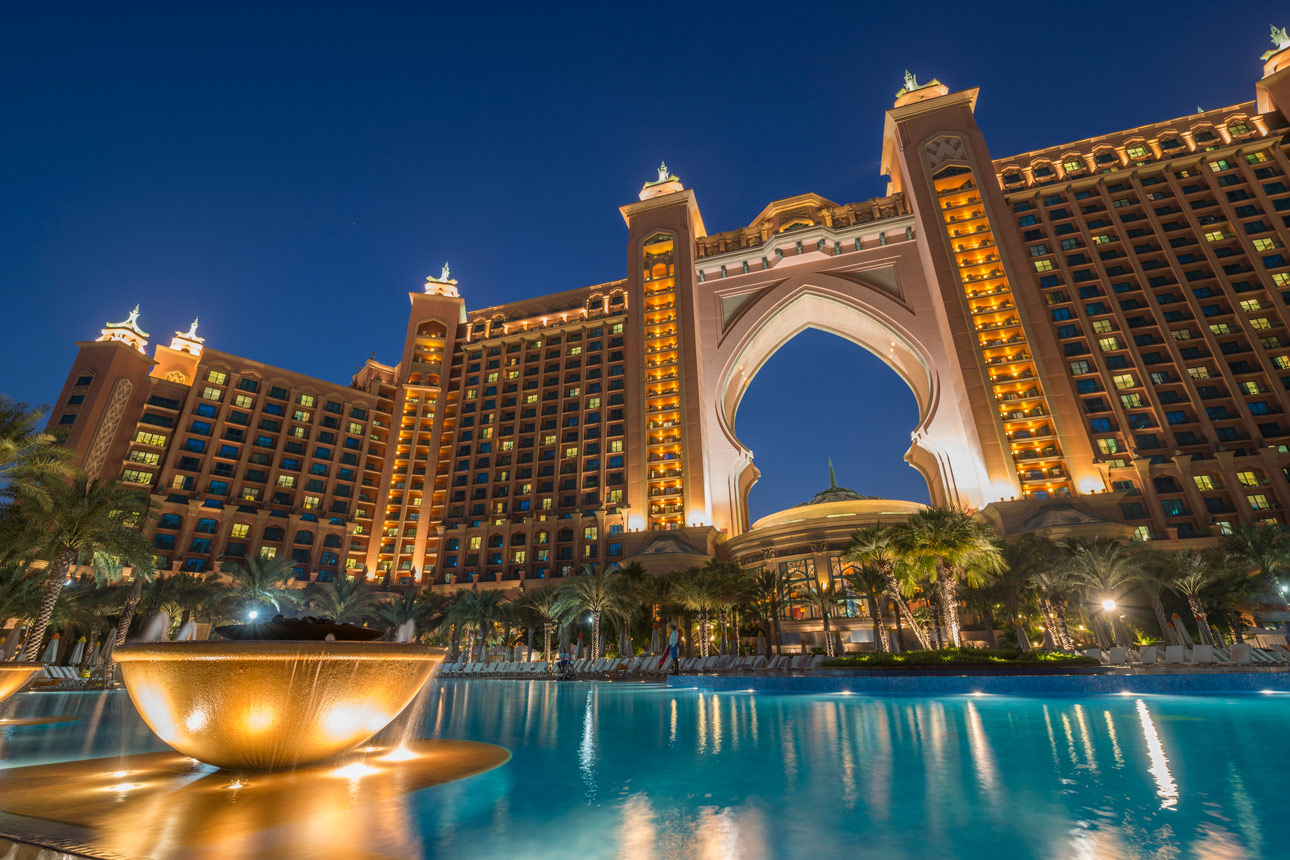
Staying in hotels in Rome offers travelers a unique opportunity to immerse themselves in the rich cultural tapestry of Italy. Understanding cultural nuances can significantly enhance your experience, ensuring that you not only enjoy the luxurious accommodations but also connect authentically with the local customs and hospitality.When it comes to etiquette and expectations at hotels in Rome, there are several key practices to keep in mind.
For instance, the check-in process is usually straightforward, but it’s customary to greet the front desk staff with a polite “Buongiorno” (Good morning) or “Buonasera” (Good evening) upon arrival. The check-out process is just as important; guests are expected to return room keys personally and confirm final bills. This attention to etiquette reflects the broader Italian appreciation for personal interactions and respect for service staff.
Understanding Local Customs
Grasping local customs is crucial as they influence hotel services and the overall travel experience. Italians place a high value on politeness and cordiality, which is reflected in hotel operations. Here are some aspects to consider:
- Language: Although many hotel staff speak English, attempting a few Italian phrases can go a long way. Simple greetings and expressions of thanks are appreciated and foster goodwill.
- Dining Etiquette: Breakfast may offer a variety of pastries, and it’s common to enjoy a cappuccino in the morning. However, it’s advisable to avoid ordering cappuccino after 11 AM, as it’s traditionally a breakfast beverage.
- Time Awareness: Italians tend to have flexible views on time. While punctuality is respected, don’t be surprised if some services operate on a more relaxed schedule.
The importance of hospitality in Italian culture cannot be overstated. The concept of “ospitalità” goes beyond mere service; it embodies warmth and a genuine desire to make guests feel at home. In Roman hotels, this spirit of hospitality manifests in various ways, such as personalized greetings, attentive service, and often, complimentary local delicacies.
“In Italy, the warmth of hospitality is a reflection of the country’s history and culture, making every stay a unique experience.”
Overall, being aware of these cultural considerations will not only enhance your hotel experience in Rome but also deepen your appreciation for the city’s vibrant heritage and the people who call it home.
Hotel Safety and Security
When traveling to Rome, ensuring your safety and security while staying at hotels is paramount. While the city is generally safe for visitors, it’s wise to be aware of potential concerns and take necessary precautions. Familiarizing yourself with hotel security features can help enhance your overall peace of mind during your stay.Travelers may encounter several common safety concerns when choosing hotels in Rome.
These include theft, room access, and overall neighborhood safety. Knowing these issues can help guide a more informed decision when booking accommodations.
Common Safety Concerns
Understanding the potential risks can assist travelers in making safer choices. Here are some notable safety concerns:
- Theft: Pickpocketing can occur in busy areas, and unsecured hotel rooms can also invite theft.
- Unauthorized Access: Poorly secured entry points can lead to unauthorized individuals accessing hotel floors or rooms.
- Location Safety: Some neighborhoods may have higher crime rates, making the location of your hotel a crucial factor.
Tips for Personal Safety
Taking proactive steps can significantly enhance your safety while staying in hotels. Here are some practical tips to consider:
- Use In-Room Safes: Always store valuables such as passports, cash, and electronics in the hotel safe.
- Stay Aware: Maintain awareness of your surroundings, especially in crowded areas and when entering or leaving the hotel.
- Lock Doors: Always ensure your hotel room door is locked, and consider using additional security devices, like door wedges or travel locks.
Importance of Hotel Security Features
Hotel security features are essential for protecting guests and their belongings. Here are the key features to look for:
- Surveillance Systems: Many hotels employ surveillance cameras in common areas to deter crime and ensure safety.
- Key Card Access: Modern hotels often utilize electronic key cards, which add an additional layer of security compared to traditional keys.
- Security Personnel: Presence of security staff can enhance safety, especially in larger hotels or busy areas.
Prioritizing safety and security while selecting a hotel in Rome can significantly enhance your travel experience and peace of mind.
Environmental Sustainability in Hotels
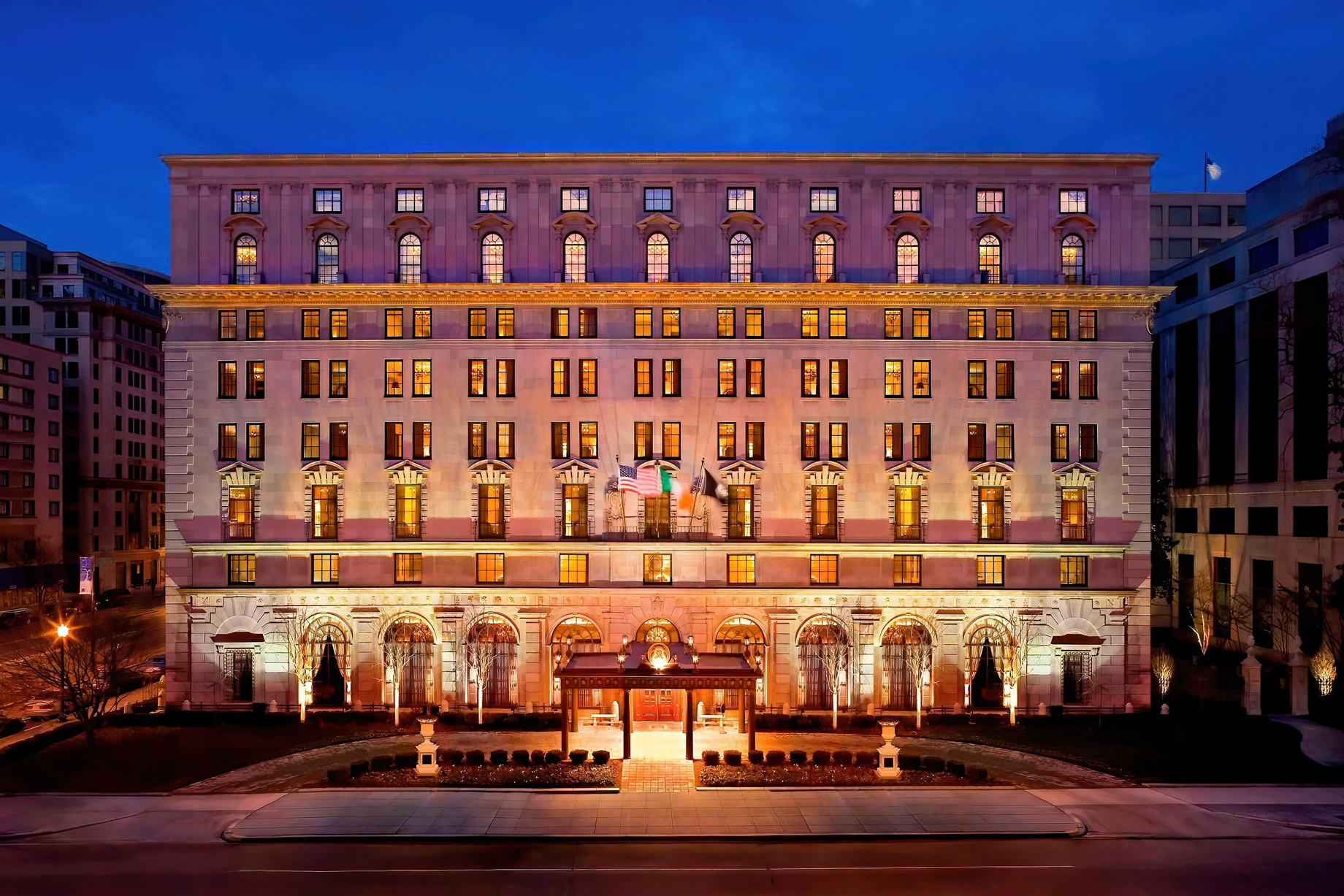
The hospitality industry in Rome is increasingly embracing environmental sustainability, reflecting a growing awareness of ecological impacts and the desire to attract eco-conscious travelers. Eco-friendly hotels are not only focused on reducing their carbon footprint but also on promoting sustainable practices that benefit both guests and the local community.The trend of eco-friendly hotels has led to a variety of initiatives aimed at reducing waste, conserving energy, and using sustainable materials.
Many hotels are now implementing practices such as solar energy usage, water conservation systems, and organic farming for their restaurants. Rome’s rich history and picturesque landscapes make it a unique destination for these green initiatives, allowing hotels to merge sustainability with cultural appreciation.
Examples of Eco-Friendly Hotels
Several hotels in Rome have distinguished themselves through their commitment to sustainability. These establishments offer an array of green initiatives that not only enhance the guest experience but also contribute positively to the environment:
- Hotel Artemide: This hotel operates on a green energy model, utilizing renewable energy sources and has implemented a zero-waste policy.
- Rome Cavalieri, A Waldorf Astoria Hotel: Features initiatives such as organic gardens, local sourcing of food, and extensive recycling programs.
- Hotel Indigo Rome – St. George: Invests in energy-efficient systems and provides eco-friendly amenities, such as biodegradable toiletries and locally sourced breakfast options.
The commitment to sustainability can be measured through various certifications that recognize hotels for their environmental efforts. Below is a comparison table highlighting hotels with green certifications against traditional hotels in Rome:
| Hotel Name | Green Certification | Traditional Practices |
|---|---|---|
| Hotel Artemide | Green Key | Standard energy consumption |
| Rome Cavalieri | LEED Certified | Conventional waste management |
| Hotel Indigo Rome – St. George | EarthCheck Certified | Limited local sourcing |
| Traditional Hotel Example | N/A | High energy consumption, general waste practices |
These examples and comparisons illustrate the significant steps some hotels are taking toward environmental sustainability, setting a benchmark for others in the hospitality industry. The shift towards eco-friendly practices not only enhances the reputation of these hotels but also contributes to a more sustainable future for Rome and its visitors.
Unique Hotel Experiences
Rome, a city steeped in history and culture, offers more than just its famous landmarks and exquisite cuisine. For those looking to add a touch of the extraordinary to their stay, the Eternal City is home to a variety of unique hotel experiences. From luxurious stays in converted monasteries to residing in historical palaces, these accommodations offer travelers not just a place to sleep but a chance to immerse themselves in the stories of the past.Staying in a hotel with a rich history can transform your visit, making it more memorable and enriching.
Imagine waking up in a former monastery, where the walls have witnessed centuries of stories, or in a grand palace that once hosted nobility. Such experiences not only provide comfort but also a unique connection to Rome’s vibrant heritage. Here are some extraordinary hotel options that promise an unforgettable stay.
Top-Rated Unique Hotels in Rome
Exploring unique hotels can enhance your travel experience, providing both comfort and a deeper understanding of Rome’s cultural fabric. Here’s a curated list of top-rated unique hotels that stand out for their extraordinary ambiance and historical significance:
- Hotel Artemide
-Once a noble residence, this hotel now merges modern luxury with classical elegance, featuring opulent rooms and a rooftop restaurant that offers stunning views of the city. - Palazzo Manfredi
-Lavishly restored, this hotel overlooks the Colosseum, providing guests with an unmatched historical backdrop. Each room is uniquely designed, blending antique furnishings with contemporary comforts. - Hassler Roma
-Situated at the top of the Spanish Steps, this iconic hotel has been hosting celebrities since 1893. Its luxurious suites offer breathtaking views and an exclusive spa experience. - Hotel Campo de’ Fiori
-Located in a vibrant piazza, this charming hotel boasts a rooftop terrace overlooking the bustling market, perfect for experiencing local life up close. - Hotel Palazzo Dama
-This boutique hotel, set in a 19th-century noble residence, features stunning gardens and lavish interiors, making it a tranquil oasis in the heart of Rome.
“Staying at Palazzo Manfredi was like living in a dream. The views of the Colosseum from our room were breathtaking, and the history surrounding the hotel made our trip truly special.”
Sarah, a recent traveler.
These unique hotel experiences not only provide luxurious accommodations but also allow you to connect with the rich history and culture of Rome, making your visit unforgettable.
Q&A: Hotels In Rome
What is the average cost of hotels in Rome?
The average cost varies significantly, ranging from budget options around €50 to luxury stays exceeding €300 per night.
Is it better to book hotels in advance or last minute?
Booking in advance is recommended, especially during peak tourist seasons, to secure better rates and availability.
Are there hotels in Rome that offer free breakfast?
Yes, many hotels in Rome, especially those in the mid-range to luxury categories, often include complimentary breakfast in their rates.
What neighborhoods are safest for tourists to stay in?
Areas like Vatican City, Trastevere, and Central Rome are considered safe and convenient for tourists.
Do hotels in Rome have English-speaking staff?
Most hotels, particularly those catering to international guests, have English-speaking staff available.