
hotels in polandia sets the stage for this enthralling narrative, offering readers a glimpse into a story that is rich in detail and brimming with originality from the outset.
Poland’s hotel industry is a vibrant tapestry woven from diverse accommodations, unique cultural influences, and a commitment to sustainability. From luxurious stays in bustling cities to charming boutique hotels nestled in picturesque towns, travelers can find a wide variety of options that cater to every preference and budget. Popular regions like Warsaw, Krakow, and the coastal towns invite guests to explore not only their comfort but also the rich history and hospitality that Poland offers.
Overview of Hotels in Poland
The hotel industry in Poland has witnessed significant growth over the past few years, becoming a vital component of the country’s tourism sector. This growth is driven by Poland’s rich history, diverse culture, and stunning landscapes, attracting travelers from around the globe. With a wide range of accommodation options, from luxury hotels to budget-friendly hostels, visitors can find a suitable place to stay that meets their needs and preferences.Poland’s hotels are characterized by their unique blend of modern amenities and traditional hospitality.
Many hotels showcase local architecture and design, preserving the cultural heritage while providing contemporary comforts. Additionally, the warm and welcoming nature of Polish hospitality enhances the overall experience for guests. Factors such as competitive pricing, excellent service, and a growing emphasis on sustainable tourism practices further distinguish hotels in Poland.
Popular Regions for Hotel Offerings
Several regions in Poland are renowned for their exceptional hotel offerings, catering to diverse tastes and budgets. Understanding these regions is essential for travelers looking to explore the country’s rich landscapes and vibrant cities.
- Warsaw
-The capital city features a variety of hotels, from high-end luxury establishments to more affordable options. Visitors can expect modern facilities, excellent service, and easy access to cultural landmarks such as the Royal Castle and the Warsaw Uprising Museum. - Kraków
-Known for its historical significance and charming old town, Kraków offers an array of hotels that reflect the city’s medieval heritage. Many accommodations are located within walking distance of attractions like Wawel Castle and the Main Market Square. - Wrocław
-With its picturesque architecture and vibrant arts scene, Wrocław has become increasingly popular among tourists. The city features a variety of boutique hotels and charming guesthouses that highlight local culture and hospitality. - Zakopane
-Nestled in the Tatra Mountains, Zakopane is a popular destination for winter sports enthusiasts and nature lovers. Hotels here often offer stunning mountain views and provide easy access to hiking trails and ski slopes. - Gdańsk
-Located on the Baltic Sea, Gdańsk is known for its beautiful waterfront and rich maritime history. The city boasts a range of hotels, from luxury accommodations to cozy inns, many of which celebrate the region’s unique heritage and scenic views.
Types of Accommodations
Poland offers a diverse range of accommodations to cater to various traveler preferences and budgets. From opulent luxury hotels to quaint boutique stays and affordable budget options, there is something for everyone. Understanding the different types of lodging can greatly enhance your travel experience in this beautiful country.Different categories of hotels in Poland provide unique experiences, each with distinct amenities and services that can enrich your stay.
Here’s a breakdown of the main types of hotels available in Poland:
Luxury Hotels, Hotels in polandia
Luxury hotels in Poland are often characterized by their high-end services, exquisite dining options, and superior amenities. These establishments cater to guests seeking comfort and exclusivity. Typically found in major cities like Warsaw, Kraków, and Gdańsk, luxury hotels offer features such as:
- Concierge services to assist with personal needs
- Spacious rooms with premium bedding and upscale décor
- In-house fine dining restaurants with gourmet cuisine
- Wellness facilities including spas, pools, and fitness centers
- Meeting and event spaces equipped with modern technology
Boutique Hotels
Boutique hotels in Poland are smaller, stylish hotels that emphasize personalized service and unique design elements. They often reflect local culture and history, making each stay a distinctive experience. Common features of boutique hotels include:
- Intimate and unique room designs with artistic touches
- Personalized services tailored to individual guest needs
- Proximity to local attractions and cultural sites
- Cozy common areas for social interaction among guests
- Locally sourced food and beverage options
Budget Hotels
Budget hotels offer economical accommodations without compromising essential comfort. These options are ideal for cost-conscious travelers or those looking to experience the city without breaking the bank. Budget hotels typically feature:
- Basic rooms with essential furnishings and amenities
- Complimentary breakfast or kitchen facilities for self-catering
- Convenient locations with access to public transportation
- Limited services compared to higher-end hotels
Alternative Lodging Options
In addition to traditional hotels, Poland boasts a variety of alternative lodging options, perfect for travelers seeking different experiences. These include:
- Hostels, which provide shared accommodations at low prices and often foster social interactions among travelers.
- Guesthouses, typically family-run establishments that offer a homely atmosphere and the chance to experience local hospitality.
- Vacation rentals like apartments or homes, allowing for a more personal stay while providing guests with full amenities.
These alternative options can add a unique flair to your travel experience, often immersing you more deeply in the local culture and lifestyle. Whether you prefer the luxury of a five-star hotel or the cozy charm of a guesthouse, Poland’s accommodations cater to every taste and budget.
Popular Hotel Chains
Poland is home to a variety of prominent hotel chains that cater to different tastes and preferences. These chains not only provide a comfortable stay but also contribute significantly to the tourism economy in the country. With options ranging from luxury accommodations to budget-friendly alternatives, travelers can find something that suits their needs throughout various cities in Poland.The hotel chains operating in Poland have established a strong market presence, ensuring that both local and international travelers have access to quality services and amenities.
This overview highlights some of the most recognized hotel chains, their offerings, and the loyalty programs available for frequent travelers.
Hotel Chains with a Strong Presence in Poland
Several hotel chains have made their mark in Poland, each offering unique services. Below is a list of some prominent hotel chains along with their key characteristics:
- Hilton Hotels & Resorts
- Marriott International
- Radisson Hotel Group
- Accor Hotels
- Ibis Hotels
These chains operate in major cities such as Warsaw, Kraków, and Wrocław, providing travelers with well-known brands that ensure consistency and quality.
Services and Amenities of Hotel Chains
The following table showcases the services and amenities offered by these hotel chains, emphasizing their commitment to guest satisfaction:
| Hotel Chain | Services | Amenities |
|---|---|---|
| Hilton Hotels & Resorts | 24-hour room service, business center, concierge | Free Wi-Fi, fitness center, swimming pool |
| Marriott International | Event spaces, on-site dining, complimentary breakfast | Luxury spa, high-speed internet, loyalty program |
| Radisson Hotel Group | Airport shuttle, pet-friendly options, meeting rooms | Indoor pool, sauna, fitness facilities |
| Accor Hotels | Valet parking, room service, laundry services | Rooftop bars, business lounges, free breakfast |
| Ibis Hotels | 24-hour reception, breakfast buffet, bar service | Comfortable bedding, modern decor, budget-friendly |
This table illustrates how these hotel chains prioritize guest comfort by providing a diverse range of services and facilities.
Loyalty Programs for Frequent Travelers
Loyalty programs play a crucial role in attracting repeat customers, offering perks that enhance the travel experience. Most hotel chains in Poland have established their own loyalty programs, which can include benefits such as free nights, room upgrades, and exclusive discounts. For example:
- Hilton Honors: Members can earn points for free stays, enjoy discounts on rooms, and access exclusive events.
- Marriott Bonvoy: This program allows members to earn points towards nights at over 7,000 hotels while providing members with special rates and personalized services.
- Radisson Rewards: Frequent guests can accumulate points redeemable for free nights and upgrades, alongside access to special promotions and events.
- Accor Live Limitless: This program not only rewards hotel stays but also provides access to experiences, meals, and entertainment.
- Ibis Business Card: Designed for frequent travelers, this program offers discounts and the ability to streamline bookings for corporate clients.
Overall, these loyalty programs not only enhance the customer experience but also encourage travelers to choose specific hotel chains for their stays in Poland.
Booking Tips: Hotels In Polandia

When planning a trip to Poland, finding the best hotel deals can significantly enhance your travel experience. With a variety of options available, it’s essential to be savvy when booking accommodations. Here are some strategies to ensure you secure the best value for your stay.Reading reviews and ratings is a crucial step in the booking process. They provide insights into the experiences of previous guests and can highlight both the strengths and weaknesses of a hotel.
Utilizing this information can help you make informed decisions that align with your preferences and expectations.
Strategies for Finding the Best Deals
Finding great hotel deals in Poland requires some strategic planning. Here are effective methods to consider:
- Compare Prices Across Multiple Platforms: Use various booking websites to compare rates. Websites like Booking.com, Expedia, and Agoda may have different prices for the same hotel.
- Book in Advance: Hotels often offer lower rates for early bookings, especially during peak tourist seasons.
- Be Flexible with Travel Dates: If your travel schedule allows, searching for hotels on weekdays or during the off-season can yield better rates.
- Sign Up for Alerts: Many booking platforms provide email alerts for price drops on accommodations in your desired location.
- Consider Package Deals: Look for package deals that combine flights and hotels, as they can often save you more money overall.
Importance of Reading Reviews and Ratings
Before committing to any hotel, it’s essential to read reviews to gauge the quality of your potential stay. Reviews often reflect the following aspects:
- Cleanliness and Maintenance: Previous guests frequently comment on the cleanliness of the hotel, which is vital for a pleasant experience.
- Service Quality: Customer service can make or break your stay. Consistent positive feedback about staff friendliness and responsiveness is a good sign.
- Amenities and Facilities: Reviews often highlight the actual condition and availability of amenities such as Wi-Fi, parking, and breakfast options.
- Location Insights: Guests will share their thoughts on the hotel’s proximity to attractions, public transport, and dining options, helping you choose a convenient spot.
“Reading reviews is like getting a sneak peek into the experiences of those who have walked the same path before you.”
Utilizing Booking Platforms Effectively
To maximize your experience on booking platforms, consider these tips:
- Use Filters: Narrow down your search by applying filters such as price, location, and amenities to find the best fit for your needs.
- Read the Fine Print: Pay attention to cancellation policies, additional fees, and payment conditions that may apply.
- Join Loyalty Programs: Many hotel chains offer loyalty programs that provide exclusive discounts and perks for members.
- Check for Hidden Fees: Always verify if there are extra charges for services like Wi-Fi or parking that may not be included in the initial price.
- Contact the Hotel Directly: Sometimes, hotels offer better rates or additional perks when booking directly through their website or via phone.
“Being well-informed about the booking process can lead to significant savings and a more enjoyable stay.”
Cultural Influences on Hospitality
Poland’s rich cultural heritage plays a significant role in shaping its hospitality industry. This influence is seen in various aspects of hotel operations, from service styles to the overall guest experience. The interplay between historical traditions and modern hospitality practices creates a unique atmosphere that welcomes both local and international guests.Polish culture, deeply rooted in history and regional diversity, impacts hospitality in numerous ways.
Hotels often incorporate local customs and traditions into their services, enhancing the authenticity of the guest experience. This connection to culture not only enriches the stay but also promotes a sense of community and belonging.
Local Customs and Traditions in Hotel Services
Hotels in Poland frequently embrace local customs to provide a genuine experience. Incorporating these traditions into their services fosters a deeper connection with the region. Some notable customs include:
- Welcoming Guests: Upon arrival, guests may be greeted with traditional bread and salt, symbolizing hospitality and prosperity.
- Festive Celebrations: Many hotels celebrate local festivals or holidays, offering themed events, decorations, and special menus that reflect Polish cultural heritage.
- Traditional Dress: Staff may wear regional costumes during special occasions, providing guests with a visual representation of Poland’s rich cultural tapestry.
- Local Guides: Hotels often collaborate with local tour guides who share stories and insights about the region’s history, enhancing the tourists’ understanding of their surroundings.
Regional Cuisine Impacting Hotel Dining Experiences
Poland’s diverse regional cuisine significantly influences dining options in hotels. Many establishments recognize that food is a crucial aspect of the hospitality experience and strive to showcase local flavors. This commitment to cuisine involves:
- Seasonal Ingredients: Hotels often source local produce, ensuring freshness in their dishes while supporting local farmers.
- Signature Dishes: Many hotels feature traditional Polish dishes, such as pierogi and bigos, on their menus, allowing guests to indulge in authentic flavors.
- Culinary Workshops: Some hotels offer cooking classes where guests can learn to prepare local dishes, providing an interactive and memorable experience.
- Wine Pairing: Local wines and spirits, such as Żubrówka vodka, are often highlighted in hotel dining experiences, enhancing the overall meal and creating a connection to Polish culture.
Sustainable Practices in Hotels

As travelers become more environmentally conscious, many hotels in Poland have embraced sustainable practices that not only benefit the planet but also enhance guest experiences. These initiatives range from energy-efficient operations to waste reduction and local sourcing, showcasing a commitment to preserving the natural beauty that draws visitors to the country.Hotels that emphasize eco-friendly practices often implement a variety of green initiatives.
These can include solar panel installations, water conservation systems, and the use of biodegradable products. In contrast, traditional hotels may focus primarily on maximizing occupancy and revenue without considering their environmental impact. The difference in operational philosophy is evident in the amenities offered, the quality of service, and the overall guest experience.
Comparative Analysis of Eco-friendly Hotels and Traditional Hotels
The approach to sustainability in hotels can directly influence a guest’s experience and the environment. Here are some key differences between eco-friendly hotels and traditional hotels:
- Energy Efficiency: Eco-friendly hotels often utilize renewable energy sources, such as solar and wind, significantly reducing their carbon footprint. Traditional hotels may rely on non-renewable energy sources.
- Water Conservation: Many sustainable hotels implement rainwater harvesting and greywater recycling systems, while traditional hotels may not have such measures in place.
- Local Sourcing: Eco-friendly hotels frequently source food and materials locally, supporting local economies and reducing transportation emissions. In contrast, traditional hotels might not prioritize this practice.
- Waste Management: Sustainable hotels often have comprehensive recycling and composting programs. Traditional hotels might lack effective waste reduction strategies.
Green Certifications and Their Significance
Green certifications are essential for travelers looking to support environmentally responsible hotels. These certifications indicate that a hotel has met specific sustainability criteria. Some of the most recognized green certifications in the hospitality industry include:
- LEED (Leadership in Energy and Environmental Design): This certification focuses on energy and resource efficiency in building design and operation.
- Green Key: Awarded to hotels that adhere to strict environmental management practices, including energy saving and waste reduction.
- EarthCheck: A global certification that assesses the environmental performance of hotels based on their impacts on the environment.
- Travelife: This certification helps hotels improve their sustainability practices while encouraging social responsibility.
Each certification not only marks a hotel’s commitment to sustainability but also serves as a reassurance to travelers that their stay supports environmental conservation efforts. In an age where eco-consciousness is increasingly vital, selecting a hotel with a reputable green certification enhances the travel experience while contributing positively to the planet.
Events and Conferences
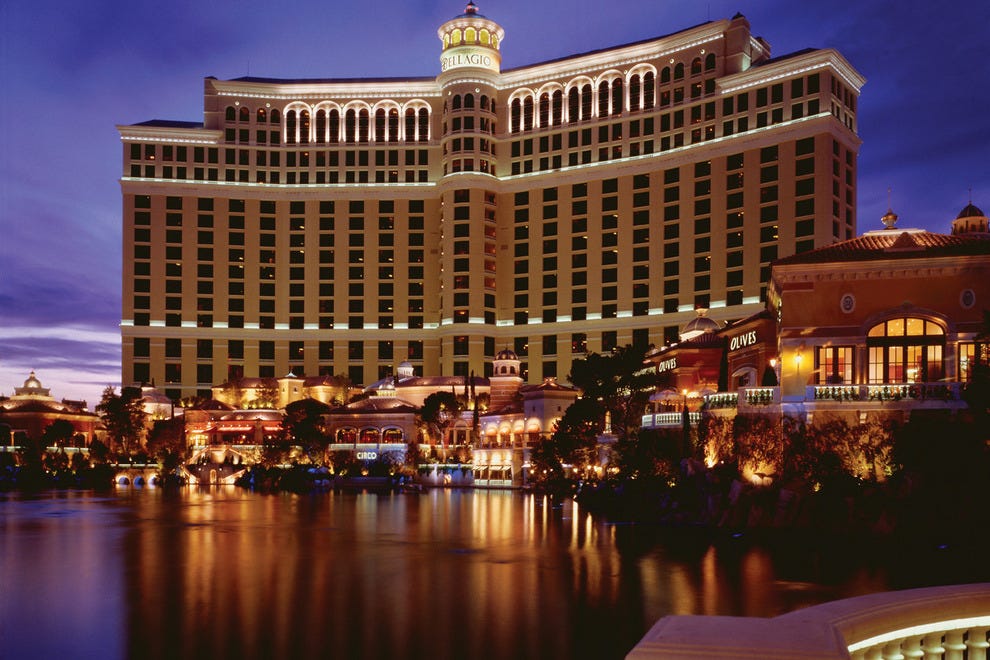
Poland has become a notable destination for business travelers seeking venues for events and conferences. With its strategic location in Europe, diverse cities, and a range of modern facilities, hotels in Poland are well-equipped to cater to the needs of corporate guests. These hotels not only provide comfortable accommodations but also offer specialized services designed to ensure the success of business events.The location of a hotel plays a crucial role in hosting events and conferences.
Proximity to major transport hubs, such as airports and train stations, is essential for accessibility, while nearby attractions can enhance the overall experience for delegates. Many hotels in Poland are situated in city centers or near business districts, making them ideal spots for hosting a variety of corporate gatherings.
Hotels Catering to Business Travelers
Several hotels in Poland are tailored specifically for business events, offering a variety of facilities and services. These establishments recognize the importance of providing a conducive environment for corporate activities. Some notable hotels that cater to business travelers include:
- Marriott Warsaw: Located in the heart of the city, this hotel offers extensive meeting spaces and high-end amenities, making it a preferred choice for corporate events.
- Sofitel Wroclaw Old Town: Known for its central location and sophisticated meeting rooms, it provides an elegant backdrop for conferences.
- Hilton Gdańsk: With views of the Motława River, this hotel combines comfort and functionality, featuring modern conference facilities.
- Radisson Blu Krakow: This hotel is equipped with versatile meeting spaces and offers professional services to support successful events.
These hotels typically provide a range of facilities and services tailored for corporate events.
Facilities and Services for Corporate Events
Understanding the needs of business travelers, hotels in Poland offer a variety of facilities and services designed to facilitate smooth and productive events. Key offerings often include:
- Conference Rooms: Equipped with the latest technology for presentations and video conferencing.
- High-Speed Internet Access: Essential for seamless connectivity during events.
- A/V Equipment: Availability of projectors, microphones, and sound systems to enhance presentations.
- Catering Services: Options for coffee breaks, lunches, and formal dinners to keep attendees energized.
- Event Planning Assistance: Dedicated staff to help organize logistics and ensure everything runs smoothly.
- Flexible Room Configurations: Spaces that can be adapted for various event formats, from board meetings to large conferences.
In addition to these facilities, many hotels also offer leisure amenities such as fitness centers, spas, and restaurants, allowing business travelers to unwind after a day of meetings. With such comprehensive offerings, hotels in Poland not only facilitate successful events but also provide a pleasant experience for all attendees.
Visitor Experiences and Testimonials
Poland’s vibrant hospitality industry has garnered numerous stories from travelers who have explored its enchanting landscapes and rich culture. Hotels across the country cater to a wide array of visitors, ensuring that each guest leaves with unforgettable memories. From families on vacation to solo adventurers seeking new experiences, the accommodations available accommodate every type of tourist.Hotels in Poland excel in creating personalized experiences for their guests.
Family-friendly hotels often offer spacious rooms, kid-friendly amenities, and special activities designed for children. Solo travelers, on the other hand, might find cozy boutique hotels that emphasize local culture, providing a more intimate atmosphere. Business travelers can benefit from modern facilities, including meeting rooms and high-speed internet, while couples may enjoy romantic getaways in picturesque settings.
Highlighted Visitor Testimonials
The following testimonials reflect the diverse experiences of guests who have stayed in various hotels across Poland. These personal accounts highlight the unique aspects of Polish hospitality and how it caters to different travelers’ needs.
“The moment we arrived, we felt welcomed. The staff at the hotel went above and beyond to ensure our family had everything we needed. The kids loved the play area, and we enjoyed the local cuisine in the restaurant!” – The Johnson Family
“As a solo traveler, I was looking for a place that felt like home. The boutique hotel I stayed at had such a warm atmosphere, and the staff provided fantastic recommendations for local sights. I couldn’t have asked for a better experience!” – Maria S.
“My business trip to Warsaw was made so much easier thanks to the hotel’s excellent facilities. The conference room was well-equipped, and the high-speed internet allowed me to stay connected without any hassle.” – David R.
“The romantic getaway my partner and I planned was perfect! Our hotel offered stunning views of the mountains, and the staff even arranged a candlelit dinner for us. It was an experience we will never forget!” – Anna and Mark
The range of accommodations in Poland ensures that every visitor has a unique experience tailored to their needs and interests, making each stay memorable.
Future Trends in the Hotel Industry
The hotel industry in Poland is undergoing significant transformations influenced by various current trends. As the hospitality landscape evolves, understanding these trends becomes essential for hotel operators and travelers alike. The integration of technology, changing guest expectations, and a growing emphasis on sustainability are reshaping the future of accommodations in the country.
Current Trends Affecting the Hotel Landscape
Several factors are currently shaping the hotel industry in Poland. One notable trend is the rise in domestic tourism, driven by recent global events that have altered travel patterns. As international travel restrictions were imposed, many Poles turned to exploring their own country, leading to an uptick in bookings at local hotels. This shift has encouraged hotels to tailor their services to attract domestic tourists, focusing on unique local experiences and regional cuisine.Another key trend is the increasing importance of health and safety protocols.
Hotels have adapted by implementing enhanced cleaning measures, contactless check-in systems, and innovative ways to ensure guest safety. These adaptations are likely to remain a priority for the foreseeable future, as travelers continue to prioritize their well-being when choosing accommodations.
Impact of Technology on Hotel Operations and Guest Experiences
Technology is playing a pivotal role in redefining hotel operations and enhancing guest experiences. The adoption of smart technologies is streamlining processes and providing guests with greater convenience. Here are some impactful technologies reshaping the industry:
- Mobile Apps: Many hotels are now offering mobile apps that allow guests to manage bookings, check in and out, and access hotel services from their smartphones.
- Smart Room Technology: Features such as voice-activated assistants and automated lighting control enhance guest comfort and create a personalized atmosphere.
- Data Analytics: Hotels are using data analytics to understand guest preferences better, enabling them to deliver personalized services that cater to individual needs.
The integration of these technologies not only improves operational efficiency but also significantly enhances the overall guest experience. For instance, guests can enjoy seamless communication with hotel staff, leading to higher satisfaction rates.
Predictions for the Future of Hotel Accommodations in Poland
Looking ahead, the future of hotel accommodations in Poland is set to embrace several exciting developments. As sustainability continues to be a major concern for travelers, hotels are expected to adopt more eco-friendly practices. This includes using renewable energy sources, reducing waste, and sourcing local ingredients for their restaurants.The rise of remote work is also likely to influence hotel design.
Many hotels may begin to cater to the needs of digital nomads by providing co-working spaces and reliable Wi-Fi, making them attractive options for both leisure and business travelers. For example, hotels in urban areas may start offering long-term stay packages tailored for remote workers seeking a change of scenery.Moreover, the emergence of virtual reality and augmented reality technologies might revolutionize how guests experience hotels.
This could include virtual tours of hotel rooms or immersive experiences that showcase local attractions before booking.
“The future of the hotel industry in Poland is poised for innovation, driven by technology, sustainability, and changing guest expectations.”
Expert Answers
What types of hotels are available in Poland?
Poland offers a range of hotels including luxury, boutique, and budget options, alongside alternative accommodations like hostels and guesthouses.
Are there any popular hotel chains in Poland?
Yes, several prominent hotel chains operate in Poland, including Hilton, Marriott, and Radisson, each providing a variety of services and loyalty programs.
What booking tips should I consider for hotels in Poland?
To find the best deals, consider using various booking platforms, reading guest reviews, and being flexible with your travel dates.
How does Polish culture influence hotels?
Polish culture enriches the hospitality industry through local customs, traditions, and cuisine, enhancing the overall guest experience.
What sustainable practices are hotels in Poland adopting?
Many hotels in Poland are implementing eco-friendly initiatives, such as reducing waste, conserving energy, and obtaining green certifications.